
Grey interior design is one of the most versatile choices for a home. Grey is calm, easy on the eyes and pairs well with wood, metal, textiles and almost any accent colour. At the same time, grey is also the colour that most easily turns dull if shades are chosen without considering light and texture. Here is how to make a grey interior warm and expressive, which shades suit different rooms and what to combine them with.
Why grey is so popular in interiors
Grey interior design gives a neutral backdrop that works with almost any accent.
Grey is a neutral backdrop that does not compete with furniture, art or the view from the window. It brings visual order, hides small imperfections and is easy to refresh: change the textiles or decor and the room looks new. Grey works in contemporary minimalism, Scandinavian style, loft interiors and even neoclassical spaces.
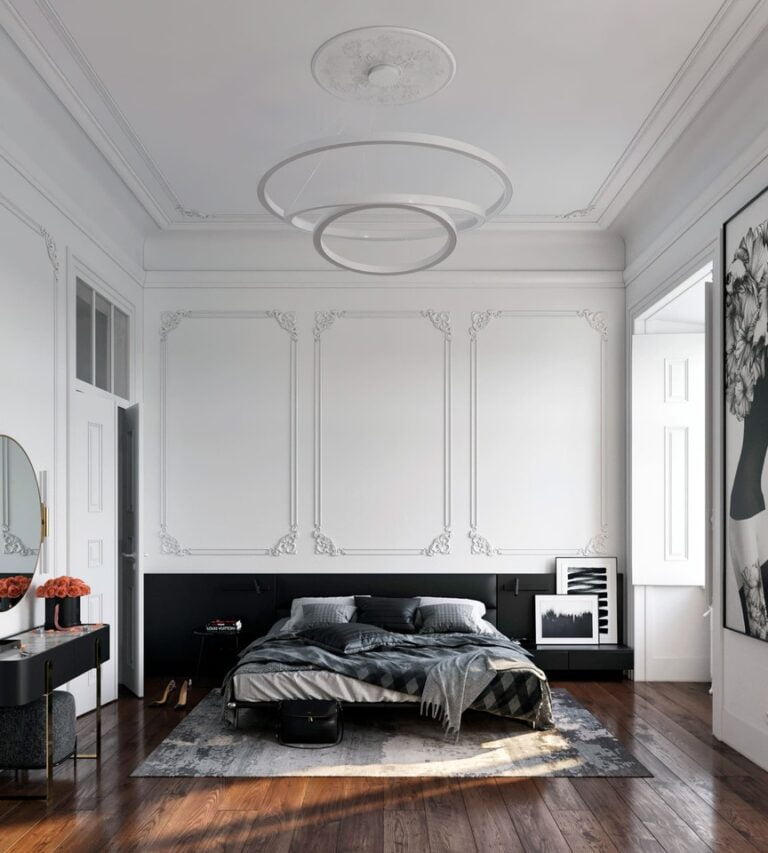
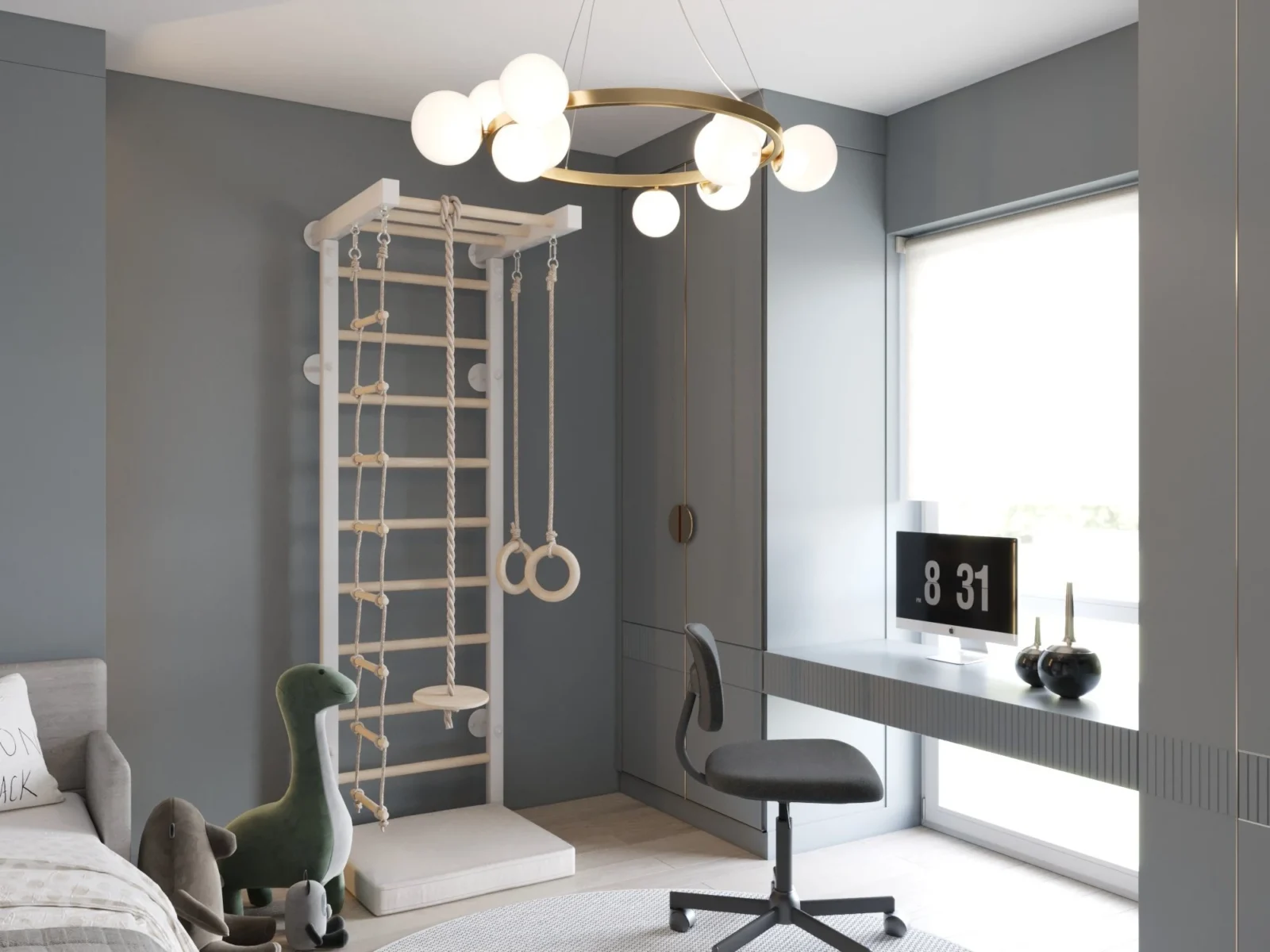
Warm or cool grey: choosing the right shade
Grey interior design can be warm or cool depending on the undertone.
Every grey has an undertone, and the undertone sets the mood of the room. Warm greys with beige or brown undertones (greige, cashmere, grey with ochre) feel cosy and work well in north-facing rooms. Cool greys with blue or green undertones look fresh and graphic, but in rooms with little sunlight they can feel gloomy. Always test paint on the wall before deciding: the same colour looks different in the morning, at midday and under artificial light.
Why grey reads as calm and neutral is covered in the Wikipedia article on grey.
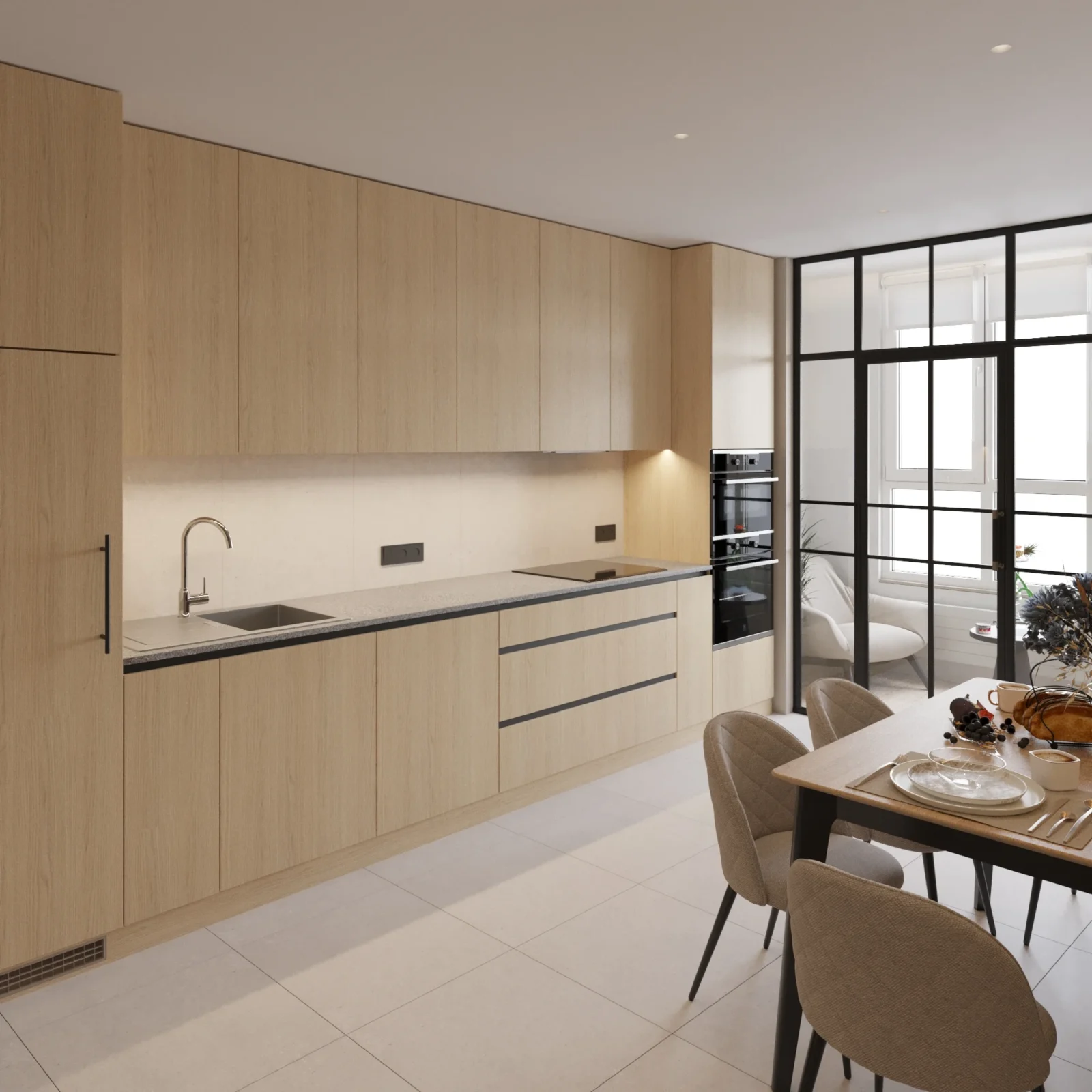
7 grey interior ideas for your home
These ideas show how flexible grey interior design can be.
1. Several shades in one room
A tone-on-tone scheme is the simplest way to make grey interesting. Light grey walls, a charcoal sofa, grey linen curtains and a mid-tone rug create depth without bright colours.
2. Grey and natural wood
Wood is grey’s best partner. Oak floors and walnut or ash furniture add warmth and bring a cool palette to life.
3. Texture instead of colour
Concrete, microcement, wool, bouclé, linen and stone act almost like separate colours in a grey interior. The calmer the palette, the more important it is that surfaces differ in look and feel.
4. An accent colour
Mustard, terracotta, emerald, deep blue or dusty pink look striking against grey. One or two accents are enough: an armchair, cushions, a painting or ceramics.
5. A charcoal feature wall
A dark grey wall behind the bed or sofa adds depth and drama. The key is to balance it with lighter furniture and good lighting.
6. Metal details
Brass and bronze warm up a grey palette, while chrome and stainless steel make it more contemporary. Light fittings, handles, furniture legs and mirror frames are easy ways to add shine.
7. Plants
Greenery looks especially vivid against grey. Large plants in floor planters bring a living room to life, and a few pots make a kitchen cosier.
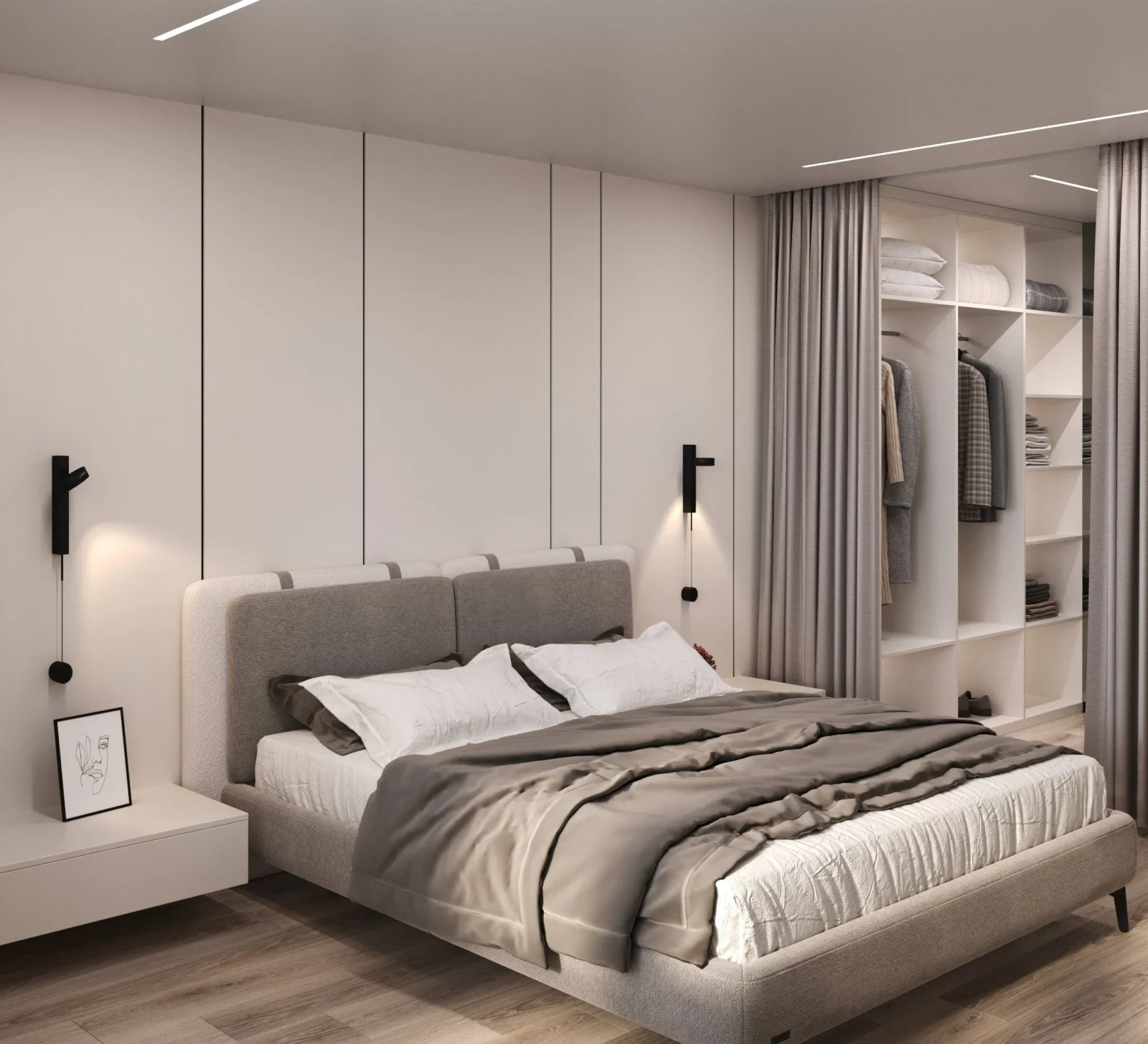
Grey in different interior styles
Grey adapts easily to any style. In contemporary minimalism it means clean planes and charcoal accents; in Scandinavian interiors, light grey walls, pale wood and wool textiles. In a loft grey appears in concrete and metal, and in neoclassical interiors in mouldings, velvet furniture and marble. That makes grey a good base if you have not settled on a style yet or plan to change the decor over time.
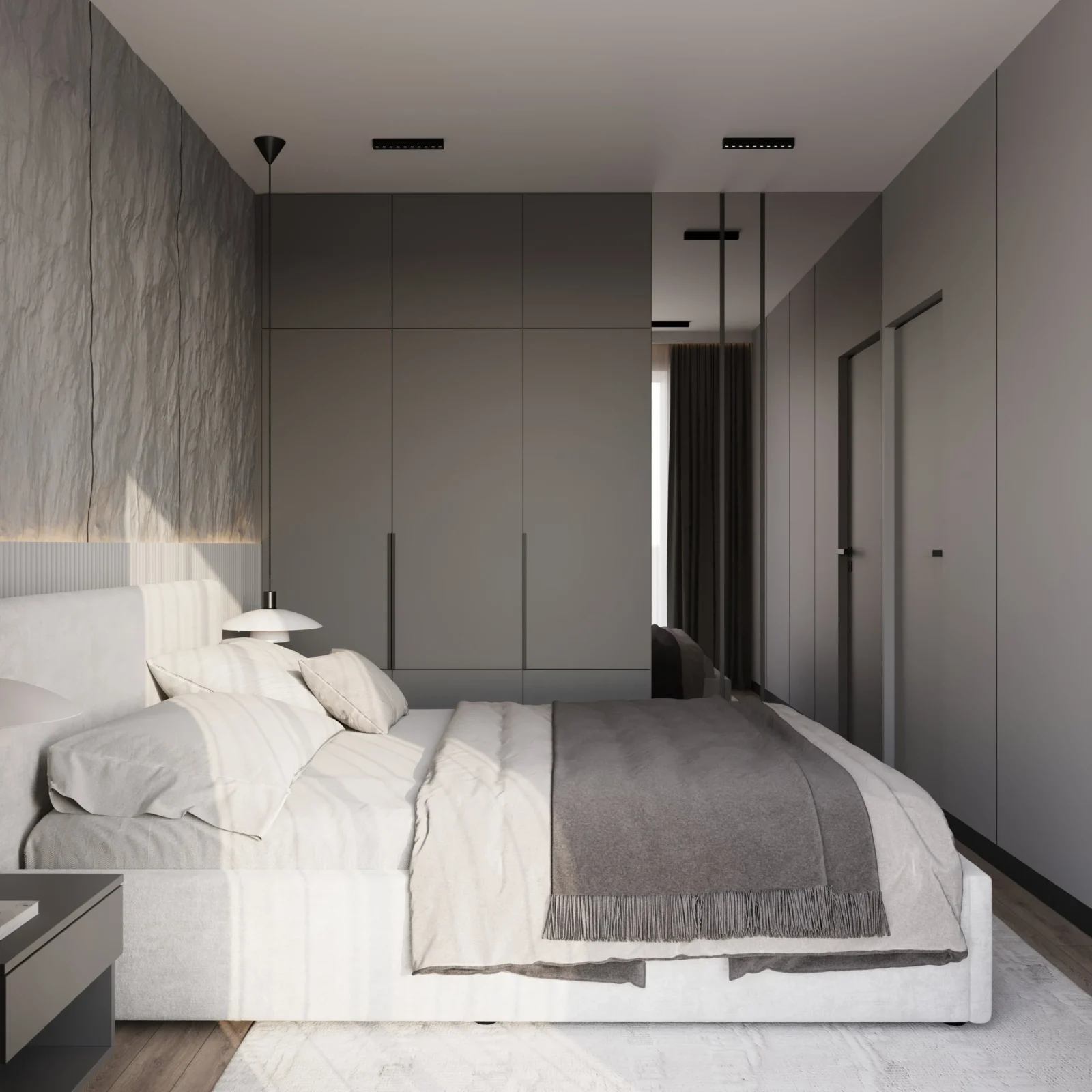
Greige: combining grey and beige
Greige is the warmest version of grey interior design.
Greige, a shade between grey and beige, remains one of the most popular wall colours. It looks warmer than pure grey but less sweet than beige. Greige pairs well with white ceilings, oak floors, linen textiles and black metal details, which is why it is often chosen as the base for an entire apartment.
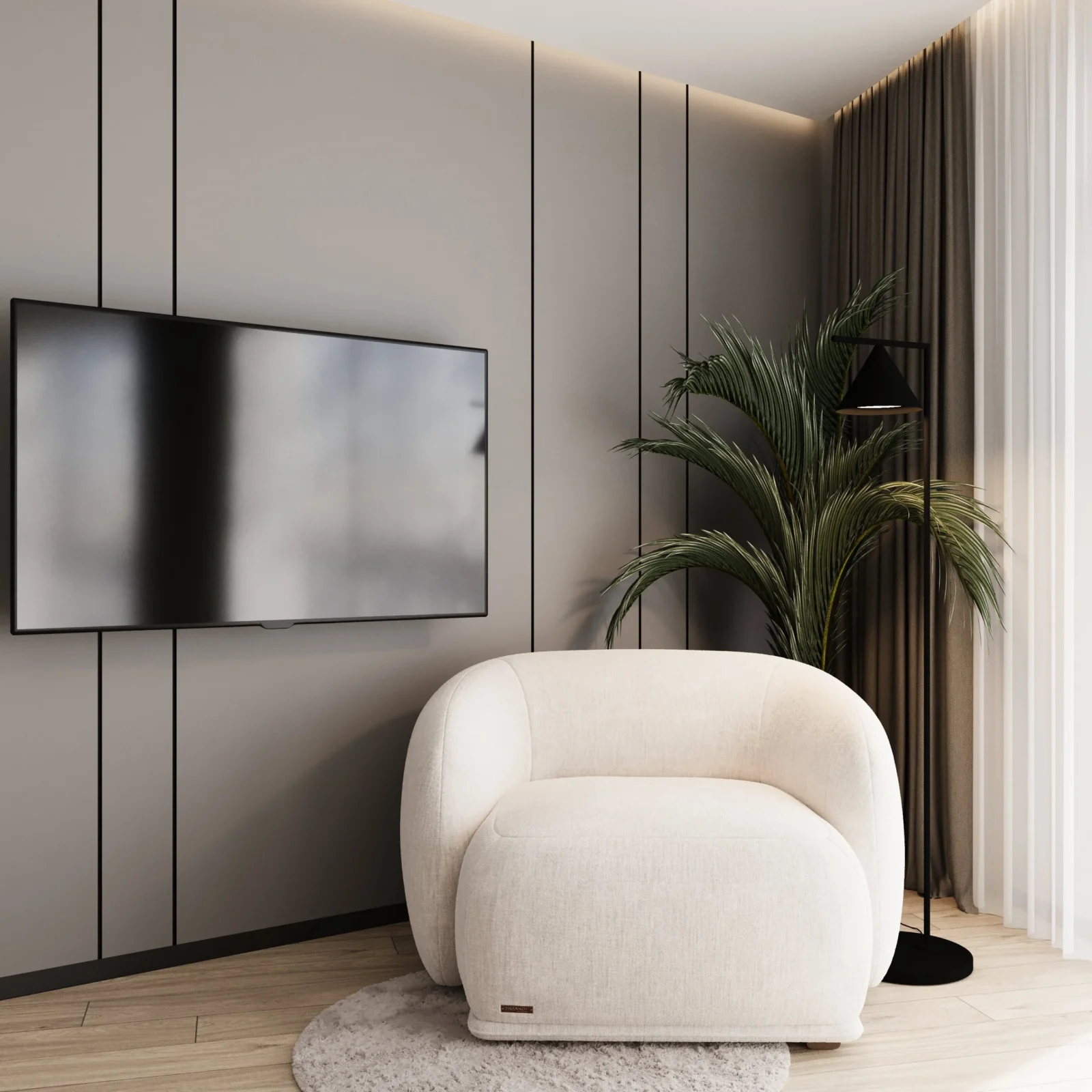
Grey interiors room by room
- Living room. Light grey walls, a grey sofa and warm textiles form a base that is easy to accessorise.
- Bedroom. Warm greys and charcoal shades are calming; an upholstered headboard and linen bedding work well.
- Kitchen. Matt grey fronts with a wooden worktop are a practical combination that shows fewer marks.
- Bathroom. Concrete- or stone-effect porcelain tiles, microcement and warm wooden accents create a spa feel.
- Children’s room. A grey backdrop makes it easy to change colour accents as the child grows.
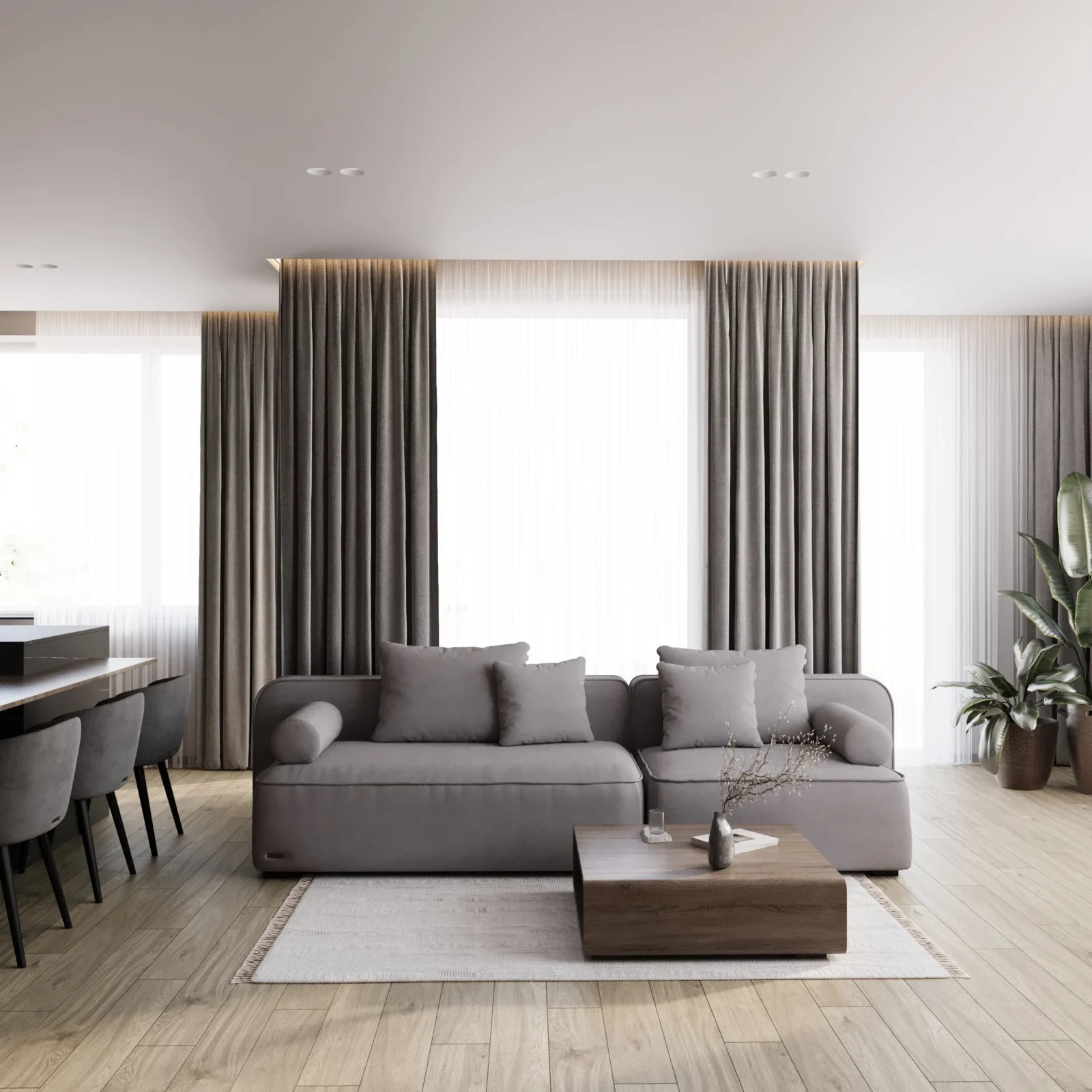
Lighting a grey interior
Grey interior design depends heavily on lighting: under cool light it can look dull.
Grey depends heavily on light. We plan several lighting scenarios: even general light, task light over work areas and warm accent light for the evening. Warm colour temperature makes grey feel cosier, while cool light makes it more graphic and office-like. Dimmable lighting is a big advantage.
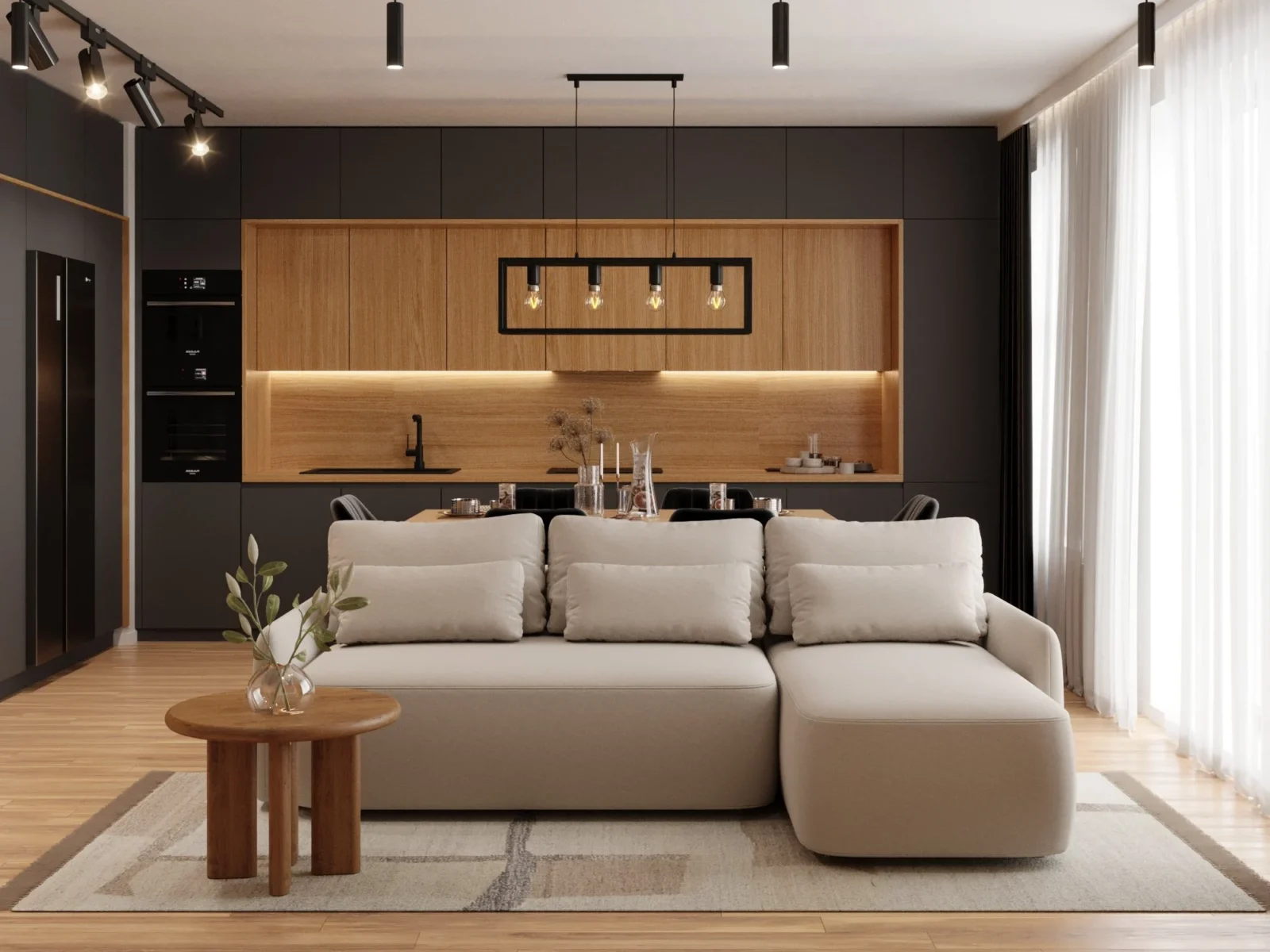
Common mistakes
These are the mistakes that most often make grey interior design feel flat.
- Choosing grey from a tiny sample without testing it on the wall.
- Using a single shade of grey everywhere without texture or contrast.
- Mixing warm and cool greys without a plan.
- Forgetting warm light and textiles.
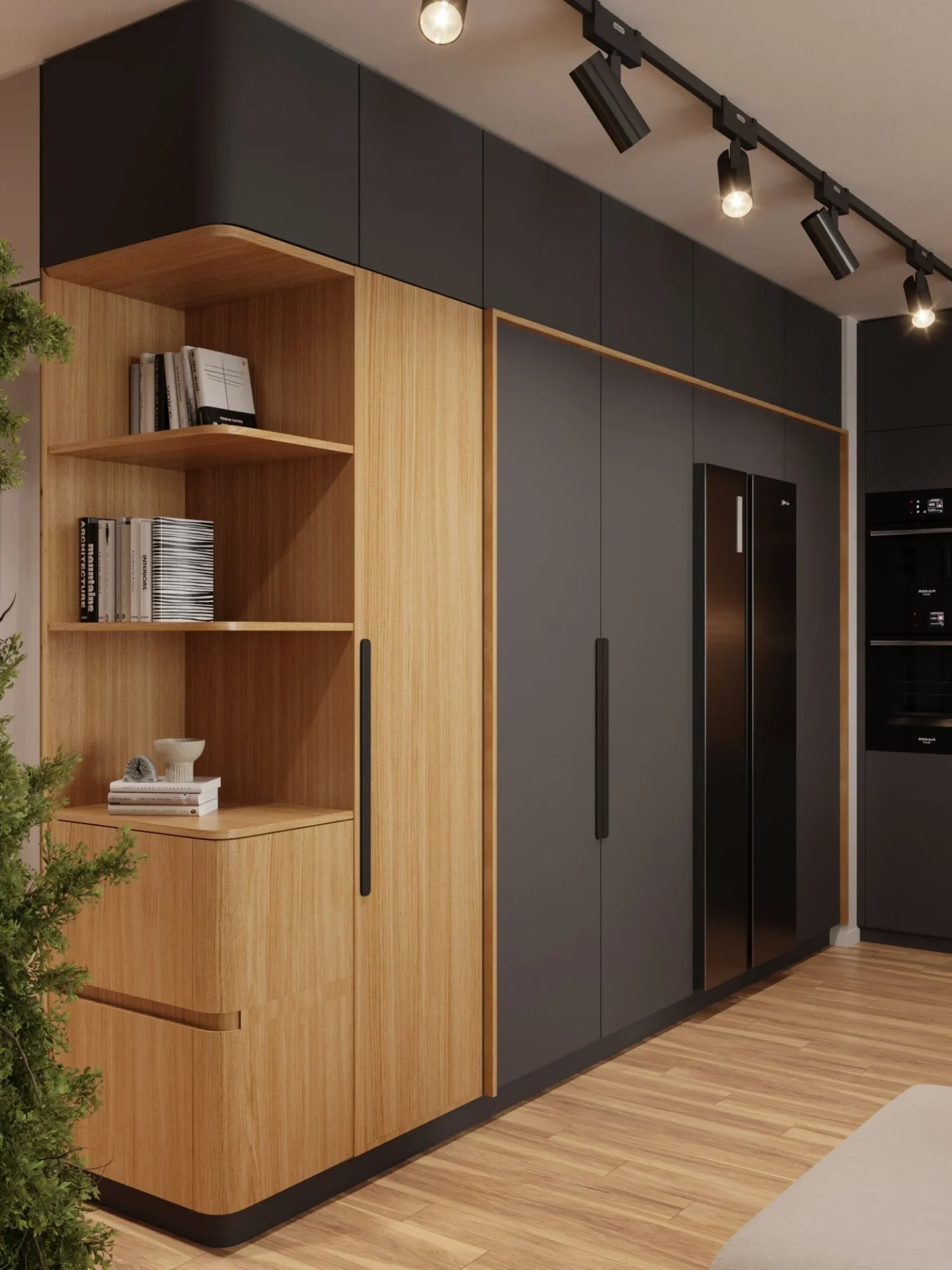
How SPACE DESIGN works with colour
During the design process we select the palette together with materials, furniture and lighting and show the result in visualizations, so you can see the interior before renovation starts. We work in Ukraine and Europe on a design and build basis, from idea to implementation. Learn more about individual space design or book a consultation.
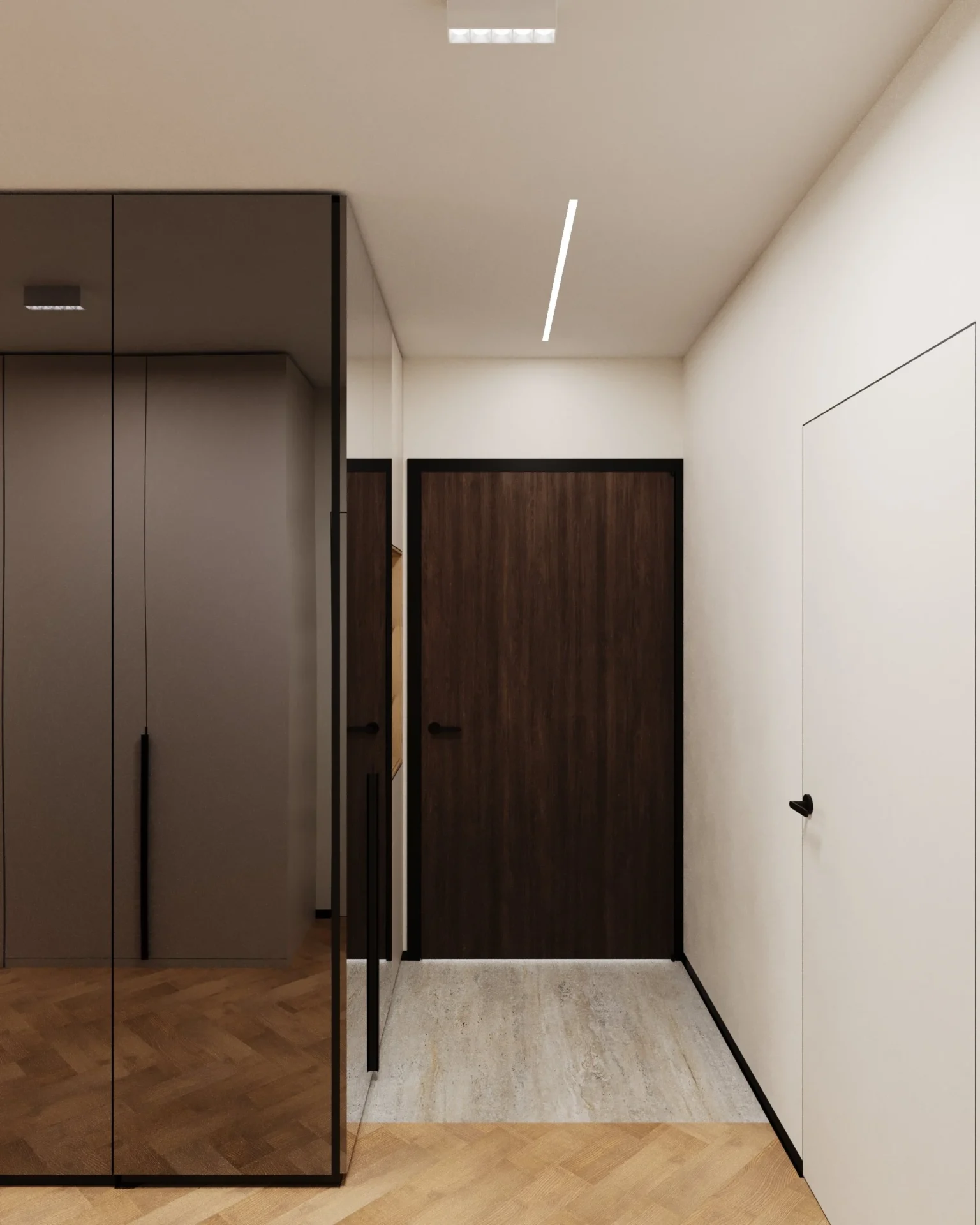
Grey interior FAQ
Won’t a grey interior feel gloomy?
Not if you combine several shades and add wood, textiles and warm light.
Which grey works in a small room?
Light, warm shades visually enlarge the space; keep dark greys for a single feature wall.
What colours go with grey?
White, beige and wood as a base, with mustard, terracotta, green, blue and pink as accents.
Planning a renovation and want a calm grey interior with character? Contact us.
Creating a place where people return.
Examples from SPACE DESIGN projects: the 108ML apartment and the 69 m² apartment in Warsaw.


