
White interior design is a classic that never goes out of style. White fills a space with light, makes rooms look larger and is the perfect backdrop for furniture, art and the things you love. But white comes in many forms: warm and cool, gloss and matt, cosy and clinical. Here is how to make a white interior feel alive and practical, which shades to choose and what to combine them with.
The benefits of a white interior
White interior design visually enlarges a room and reflects daylight well.
- More light: white surfaces reflect daylight and make rooms brighter.
- A sense of space: white walls and ceilings visually push back the boundaries of small rooms.
- Versatility: white suits any style, from minimalism to neoclassical.
- Flexibility: on a white backdrop it is easy to change accents, textiles and decor.
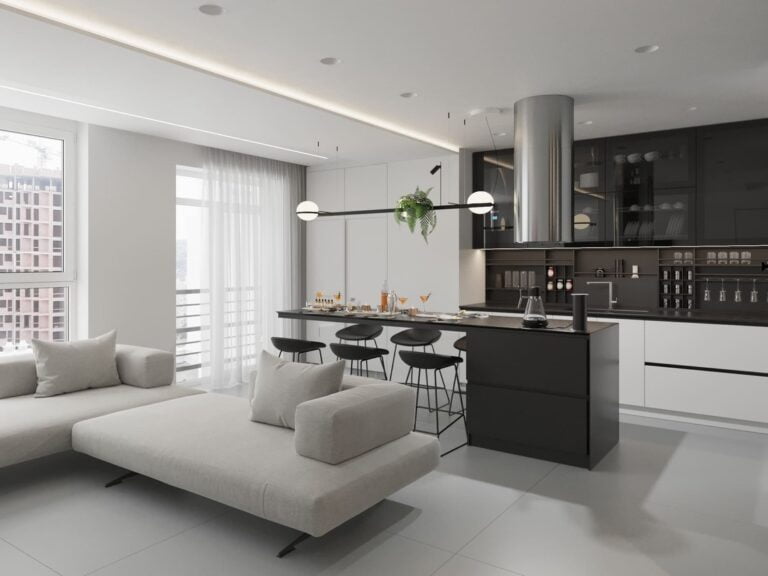
How to choose the right white
White interior design can feel warm or cool — the shade of paint decides.
Pure white with no undertone looks graphic and contemporary, but in rooms with cool northern light it can appear bluish and harsh. Warm whites with cream, milky or yellowish undertones feel cosy and behave more gently under artificial light. Cool whites with a grey undertone work well in sunny south-facing rooms. We recommend testing several shades on the wall and looking at them at different times of day.
Each year Pantone picks a colour of the year, and for 2026 it chose a shade of white — see Pantone Color of the Year.
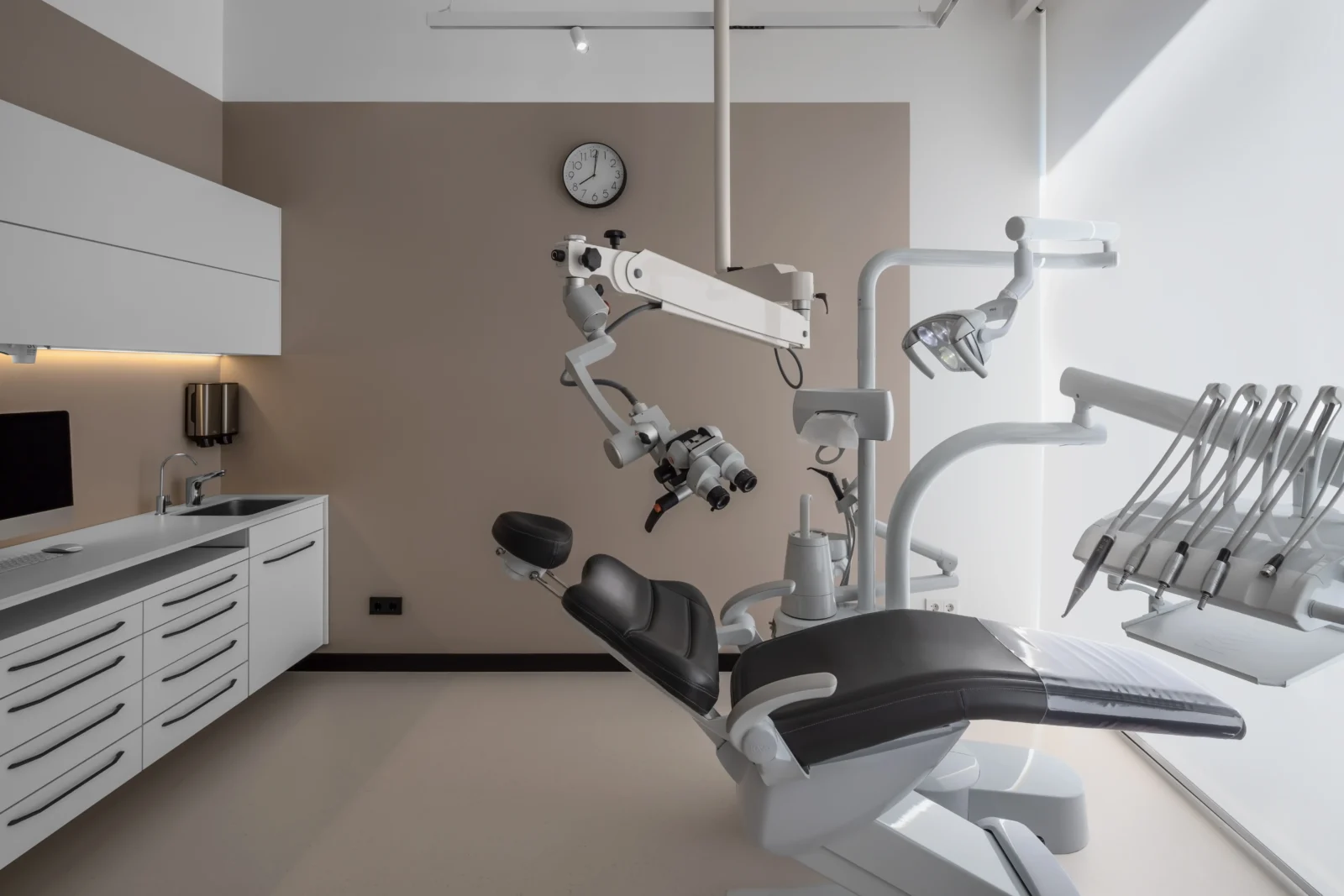
7 white interior design ideas and secrets
1. Layers of white
Combine several whites: a bright white ceiling, milky walls and cream textiles. This gives the interior depth and keeps it from looking flat.
2. Texture
Textured plaster, limewash, bouclé, linen, wool, white brick and relief tiles — in a white interior, texture creates character and comfort.
3. Natural wood
Light oak, ash or walnut warm up a white space. A wooden floor, dining table or open shelving is the easiest way to soften white.
4. Contrasting details
Black window and door frames, metal light fittings, dark handles and picture frames add graphic definition and structure to the space.
5. Natural accents
Plants, stone, handmade ceramics and woven baskets look especially striking against white.
6. Well-planned lighting
White depends heavily on lighting. Warm colour temperature makes a space cosy, and several lighting scenarios let you change the mood of the room throughout the day.
7. Art and personal objects
White walls are the perfect gallery. Paintings, photographs, books and travel finds make the interior personal.
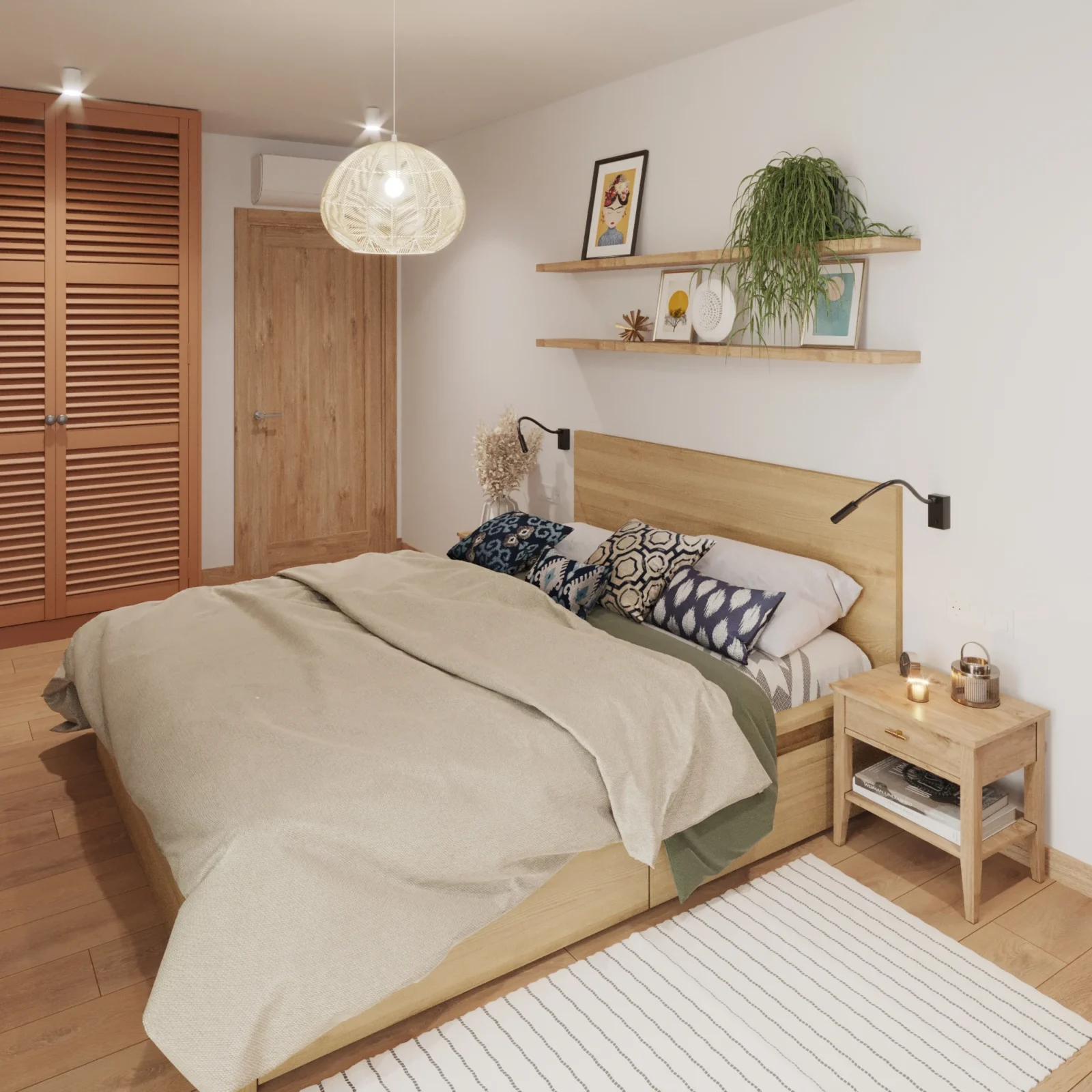
White interiors room by room
- Living room. White walls, a light floor, a soft cream sofa and a few colour accents.
- Kitchen. Matt white fronts, a stone or wood worktop and contrasting handles or tap.
- Bedroom. Warm white, linen bedding, wooden bedside tables and soft, dimmed light.
- Bathroom. White tiles in different formats and textures, a wooden vanity top and brass or black fittings.
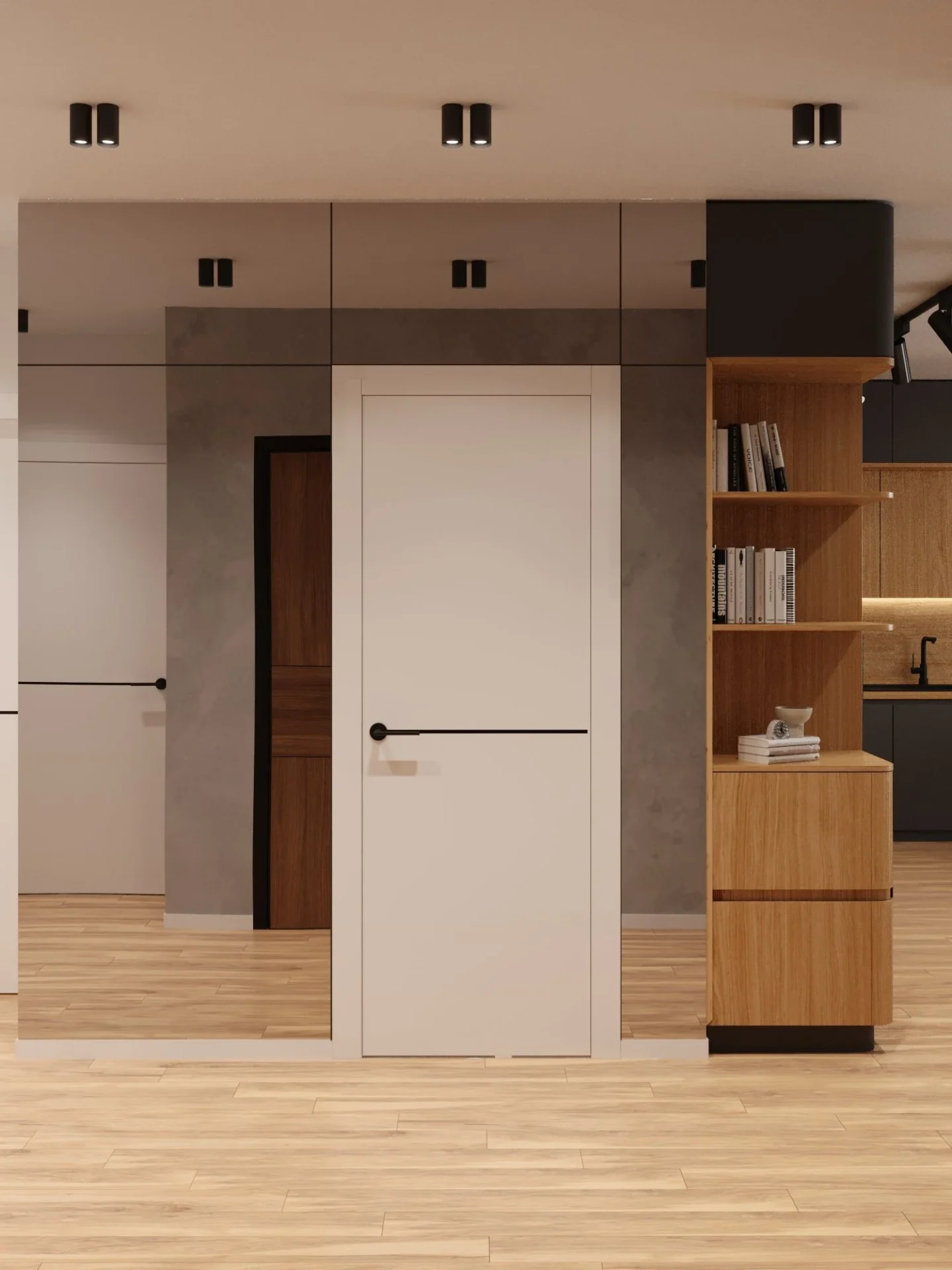
- Hallway. White brightens a small, often dark hallway, and built-in wardrobes in the wall colour blend into the space.
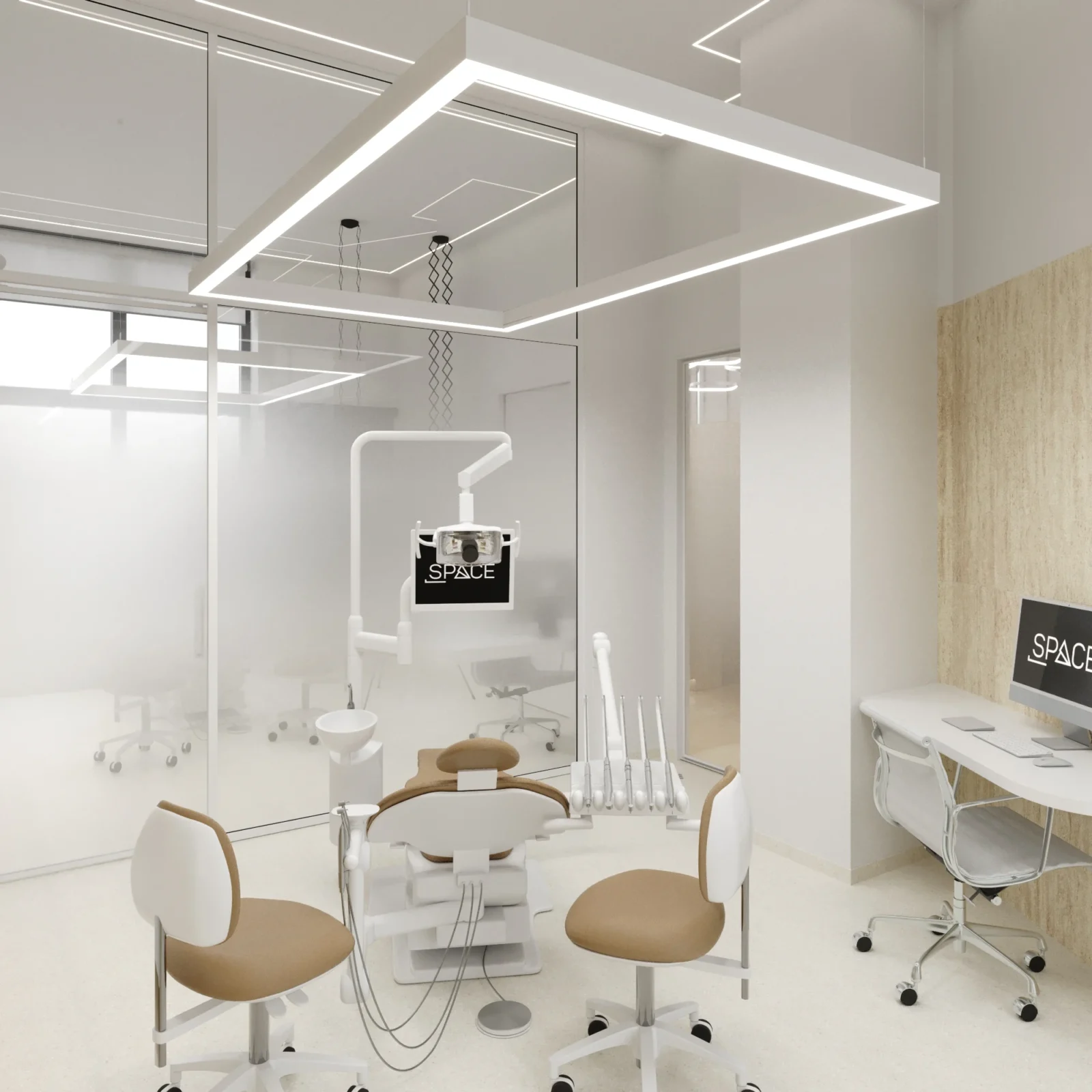
White in different styles
In Scandinavian interiors white is paired with pale wood and textiles; in minimalism with clean forms and hidden storage. Mediterranean interiors use warm white, lime plaster, arches and terracotta. In neoclassical spaces white highlights mouldings, cornices and marble.
How to make a white interior practical
Practical white interior design starts with materials that are easy to clean.
Many people are wary of white because it seems impractical. In reality there are simple solutions: washable matt wall paints, anti-fingerprint cabinet fronts, removable covers for upholstered furniture and light but not pure white floors that show less dust. In high-traffic areas such as hallways and kitchens, durable materials and shades slightly darker than pure white are a good choice.
Which accent colours suit a white interior
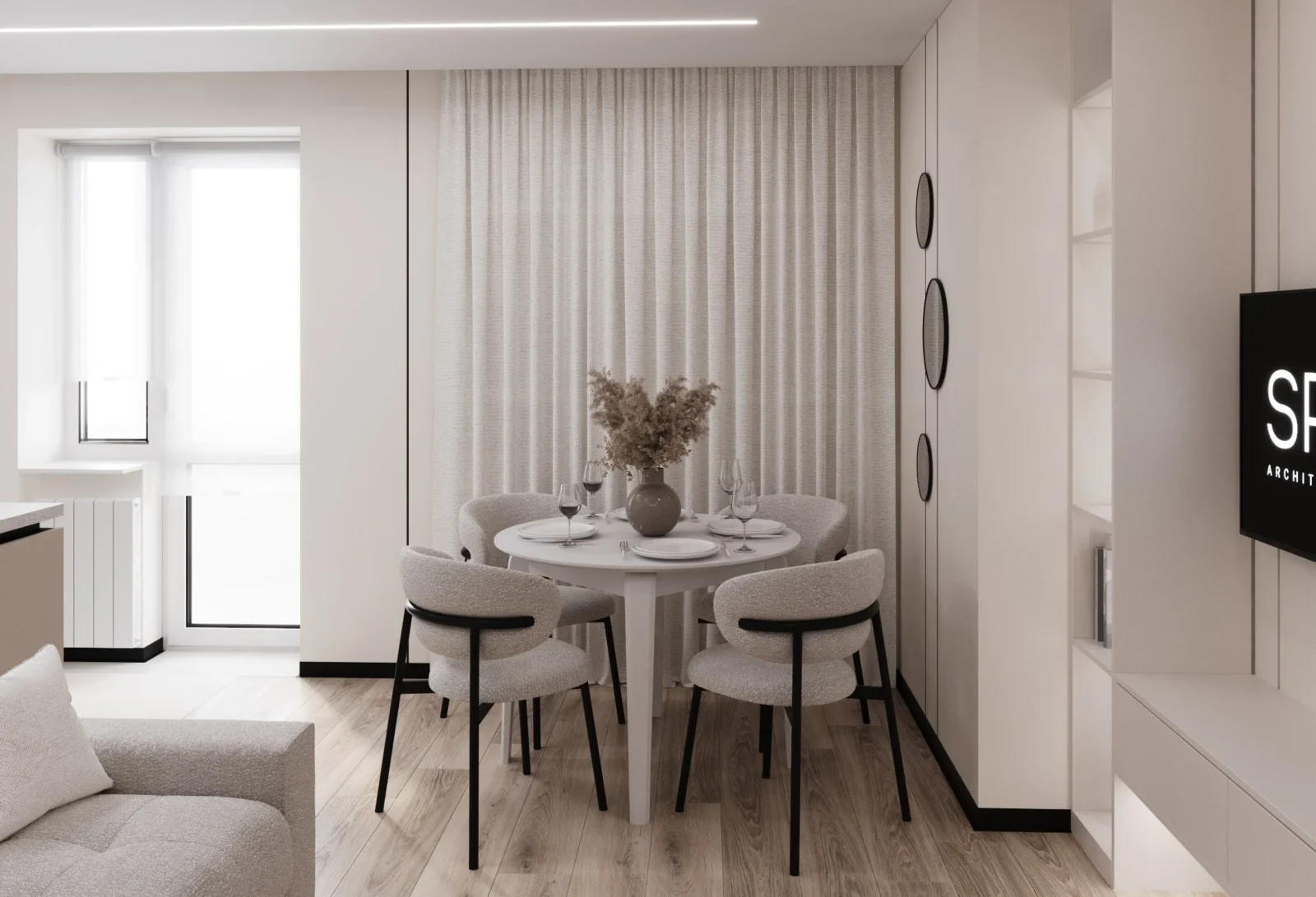
White is the most rewarding backdrop for colour. For a calm interior, beige, sand, olive and grey-blue gently complement white without overwhelming the space. For a bolder character, choose terracotta, deep green, blue or burgundy in textiles, furniture or on a single wall. Black in small details adds graphic definition. The key is proportion: white as the base, one or two colours as accents.
A white interior for a small apartment
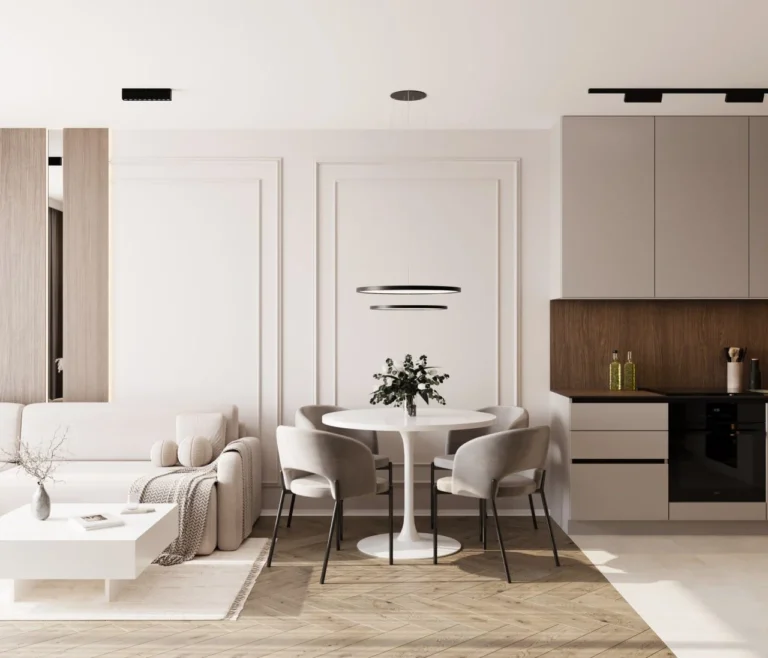
White works especially well in small apartments. White walls, ceilings and built-in wardrobes in the wall colour visually remove boundaries and make the space feel unified. Mirrors and glass partitions enhance the effect, and a light floor that runs between rooms without sharp transitions adds a sense of size. To keep the interior from feeling empty, we add texture, wood and a few statement pieces.
Common mistakes
This is what to avoid when white interior design is done without a lighting plan.
- Using one cool white throughout the home without considering orientation.
- Forgetting texture and warm materials, which makes the interior feel clinical.
- Choosing gloss everywhere: it reflects glare and highlights every mark.
- Neglecting lighting, so white looks grey in the evening.
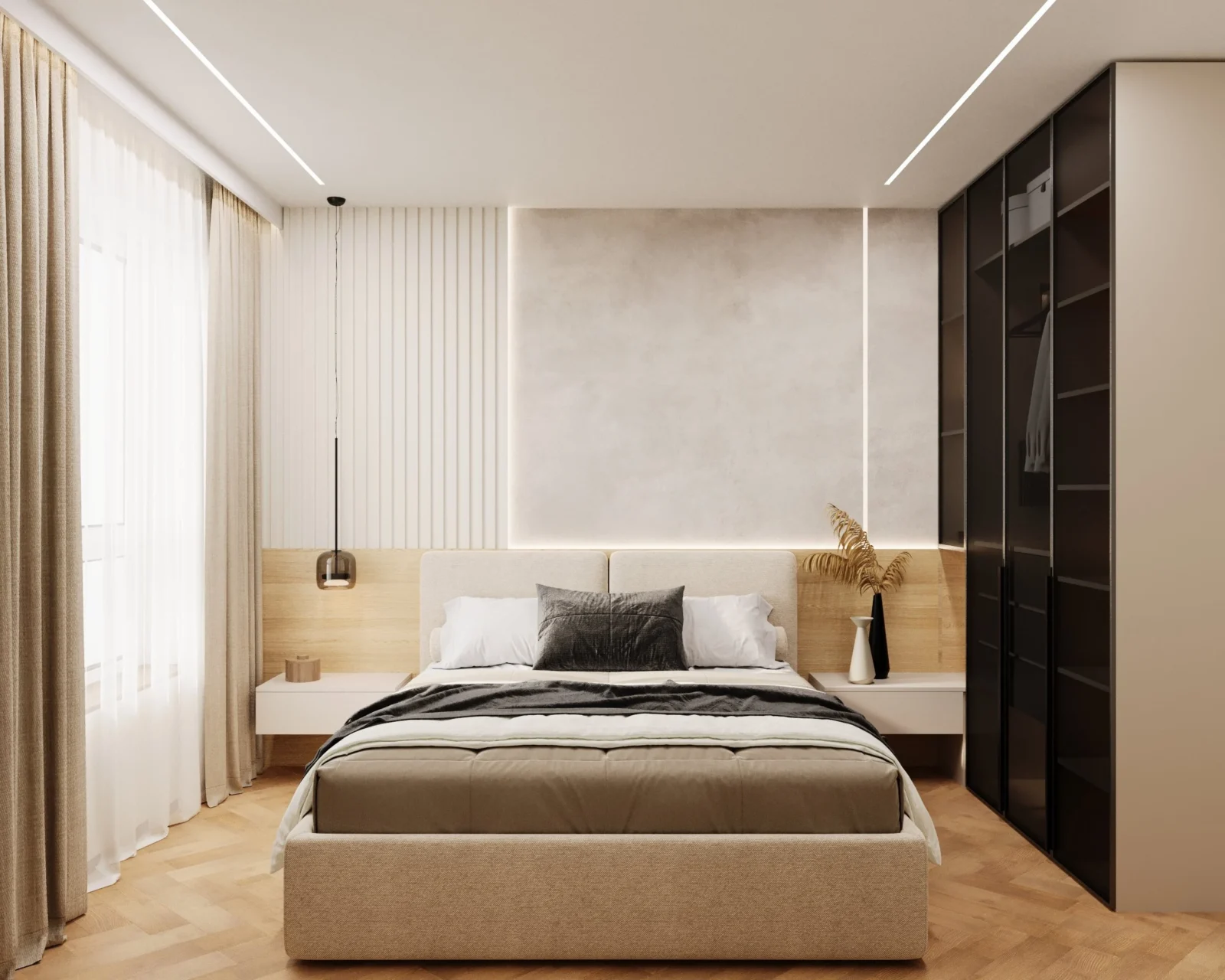
How SPACE DESIGN works with white interiors
We select shades of white together with materials, lighting and furniture and show the result in visualizations before renovation begins. We work in Ukraine and Europe on a design and build basis, from idea to implementation. Learn more about individual space design and custom furniture.

White interior FAQ
Won’t a white interior feel cold?
Not if you choose a warm white and add wood, textiles and warm light.
Is white practical for a family with children?
Yes, with washable paints, durable finishes and removable furniture covers.
Which white should I use on the ceiling?
The ceiling is usually slightly lighter than the walls so it visually lifts.
Want a bright white interior that feels cosy every day? Contact us.
Creating a place where people return.
Examples from SPACE DESIGN projects: the Lviv 19th apartment and the 108ML apartment.


