
Before planning a renovation, it helps to understand which interior design styles appeal to you. Even if you do not want a “pure” style, knowing their key features helps you brief your designer, choose furniture and materials and avoid random decisions. In this guide we briefly describe the most popular interior design styles and explain how to identify your own.
How to identify your interior style
Interior design styles are best chosen by how you live, not by pictures.
- Collect 20–30 images of interiors you like and look for what they share: colours, materials, shapes and the amount of decor.
- Think about how you live: do you have many belongings, do guests visit often, are there children or pets, do you work from home?
- Notice how you want to feel: calm and spacious, or cosy and full of detail.
- Look at the things you already own and want to keep: furniture, art, collections.
Popular interior design styles
Contemporary
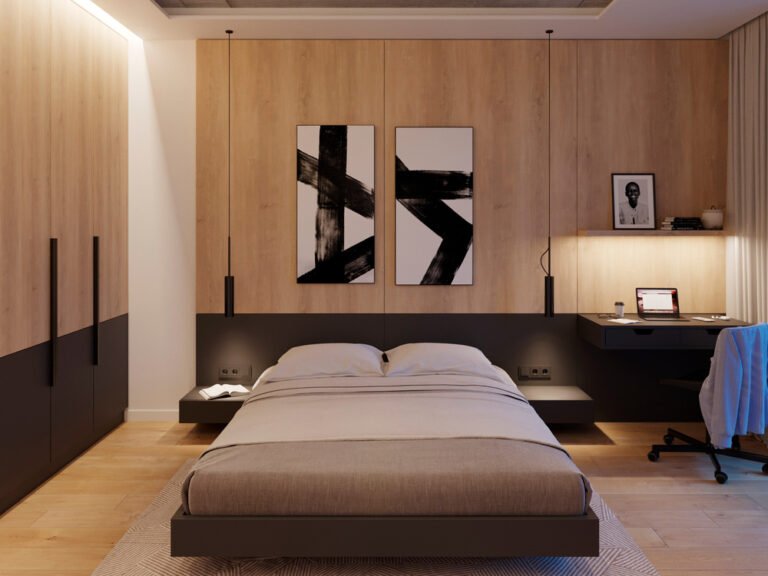
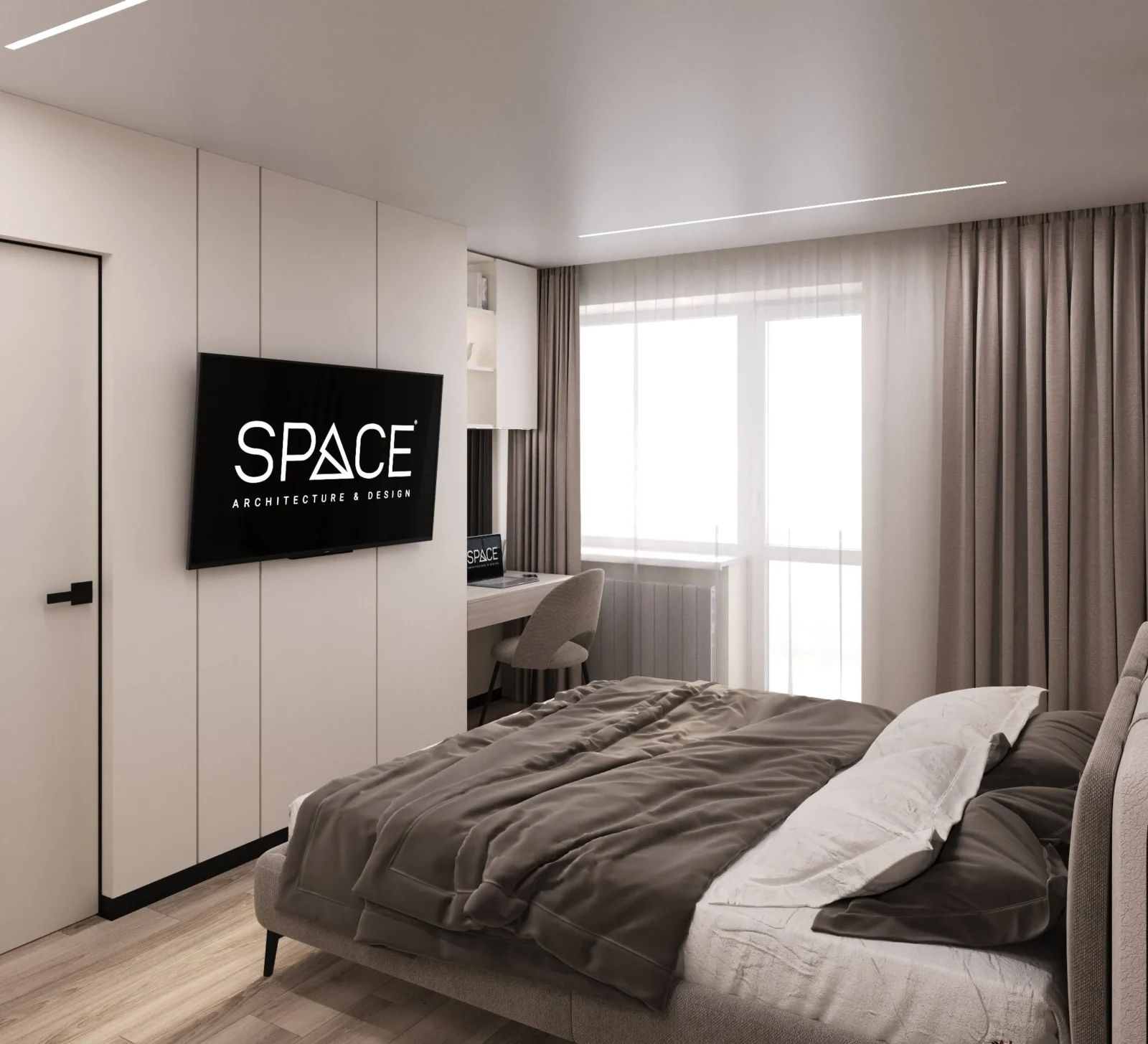
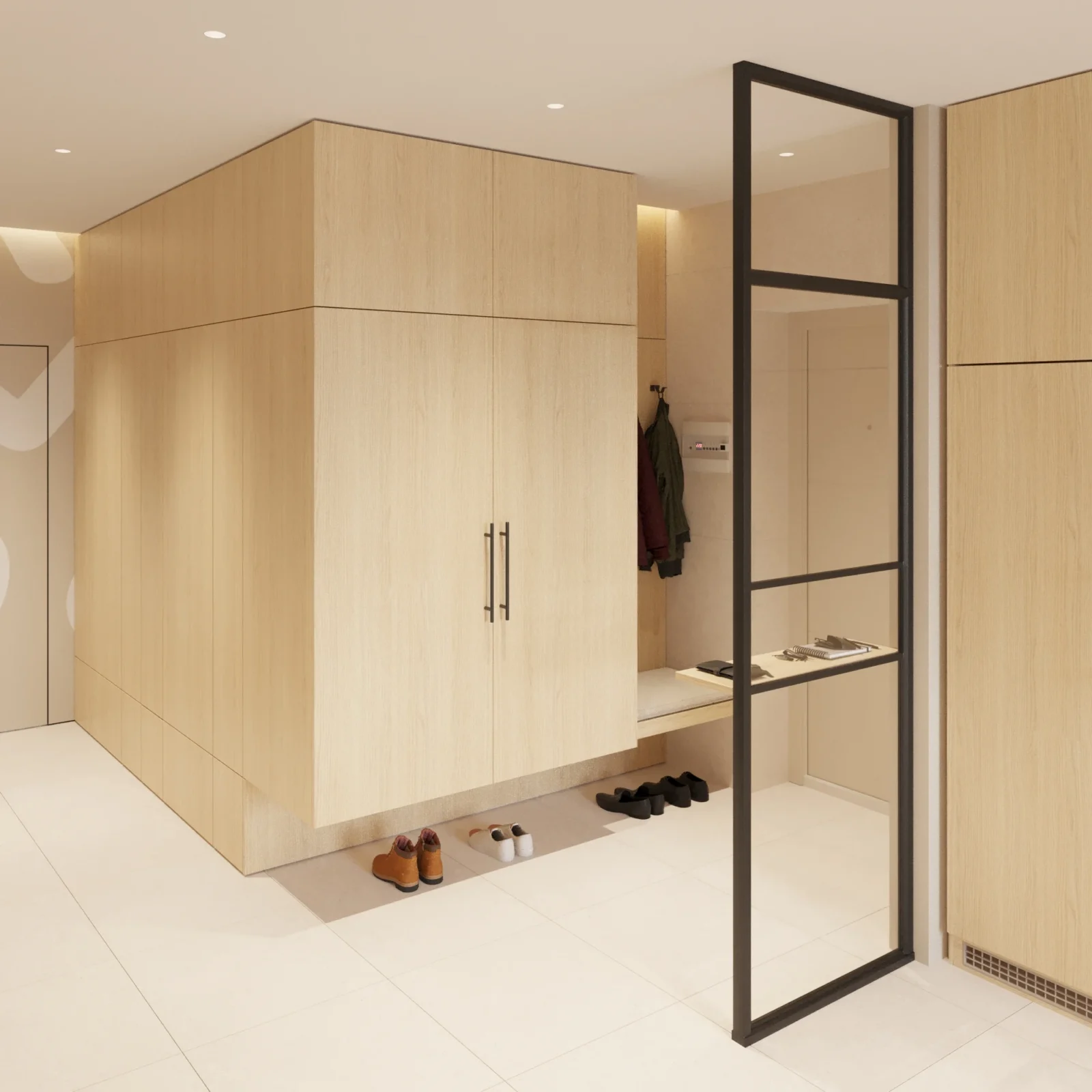
Clean lines, a neutral palette, a mix of wood, metal and glass, and a focus on functionality. Contemporary style is flexible and combines easily with elements of other styles.
For a short history of the profession and its movements, see Interior design on Wikipedia.
Minimalism
“Less but better”: simple forms, hidden storage, a restrained palette and quality materials. Read more in our article on minimalist interior design.
Scandinavian
Light colours, pale wood, textiles, plenty of daylight and cosiness. A simple, warm and practical style for everyday life.
Japandi
A blend of Japanese aesthetics and Scandinavian comfort: natural materials, low furniture, earthy colours, calm and order.
Loft (industrial)
Industrial character: concrete, brick, metal, exposed services, an open layout and large windows. More in our article on loft style interior design.
Neoclassical
Classical proportions, mouldings, cornices, symmetry, marble and noble materials combined with contemporary furniture and technology.
Art Deco
Geometric patterns, brass, velvet, contrasting colour combinations and curved forms. A style for those who love luxury and expression.
Mid-century modern
Furniture from the mid-20th century: slim legs, organic shapes, walnut and teak, and rich accents such as mustard, olive and orange.
Mediterranean
Warm white, lime plaster, arches, terracotta, natural wood, linen and handmade ceramics. Sunny, relaxed and warm.
Eclectic
Different styles, eras and objects combined into a coherent interior. The most demanding style, because it requires a sense of balance, but also the most personal.
Boho
Lots of textiles, wickerwork, plants, ethnic patterns and travel finds. A free, creative atmosphere.
Colours and materials by style
Interior design styles are easiest to tell apart by colours and materials.
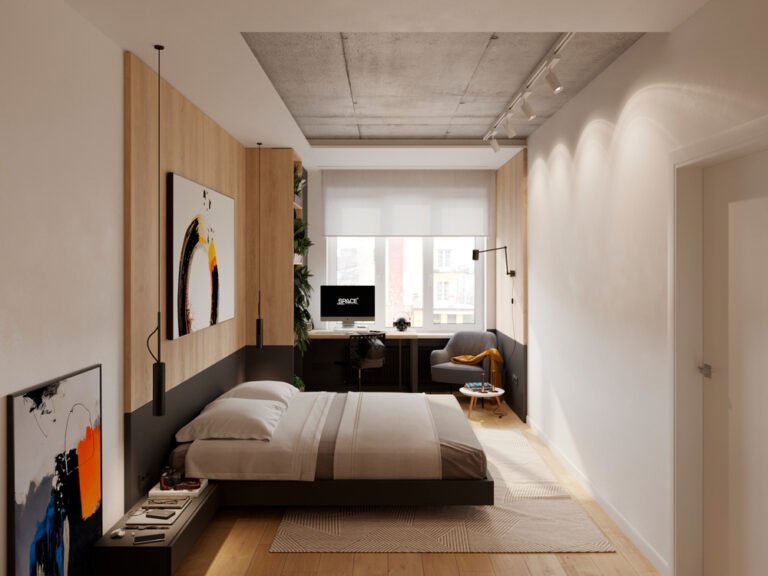
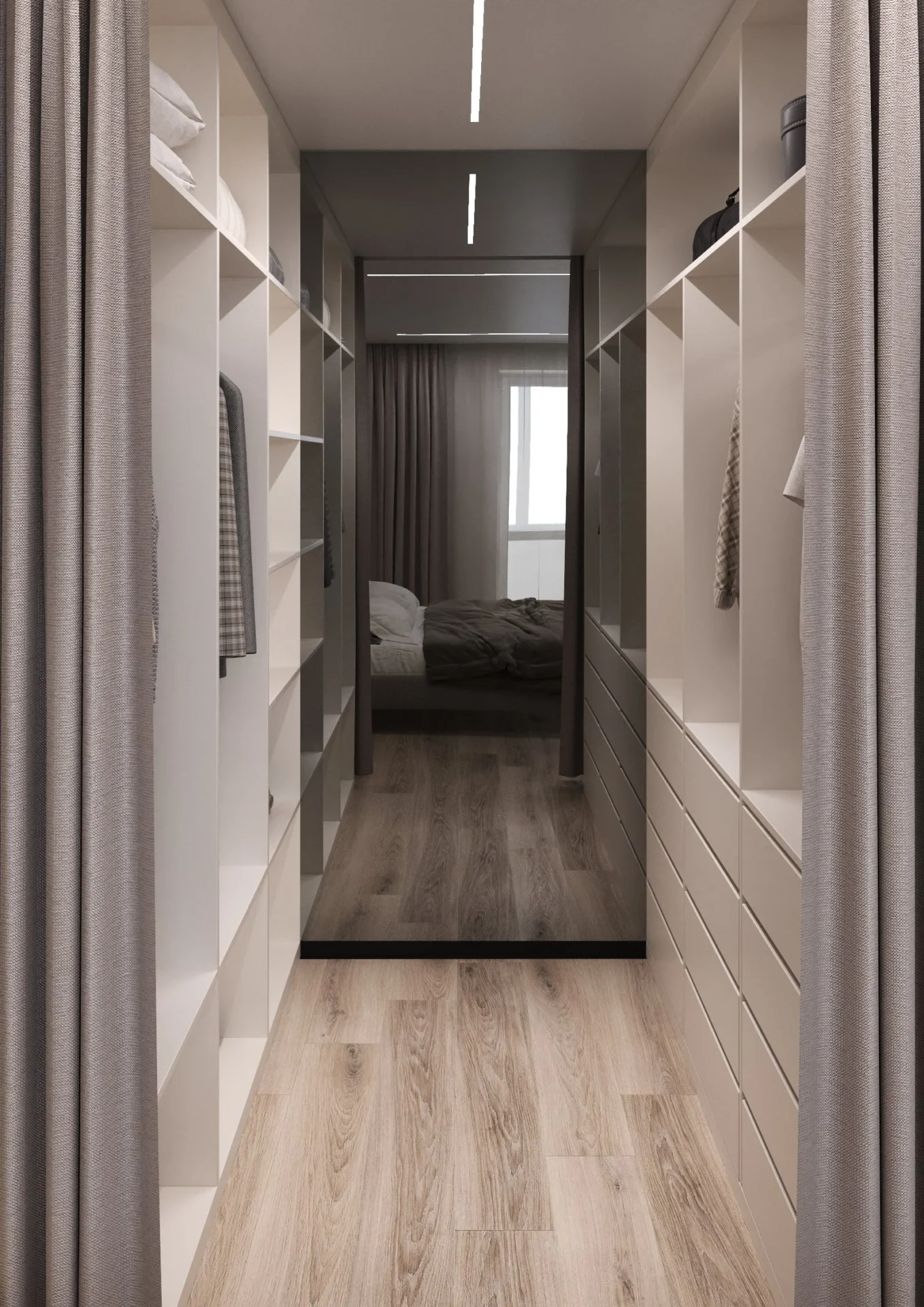
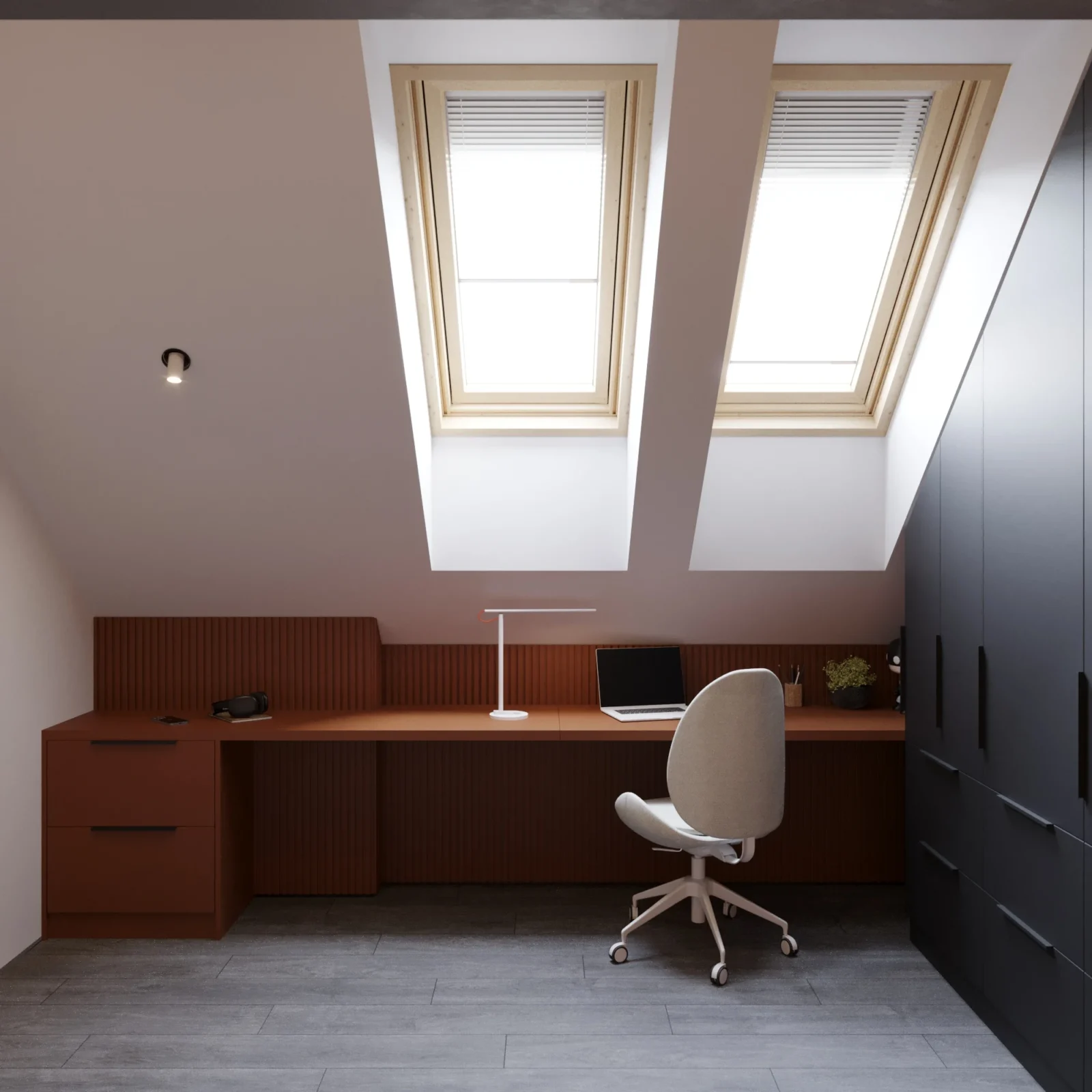
- Contemporary and minimalist: white, warm grey, beige, charcoal; wood, stone, microcement.
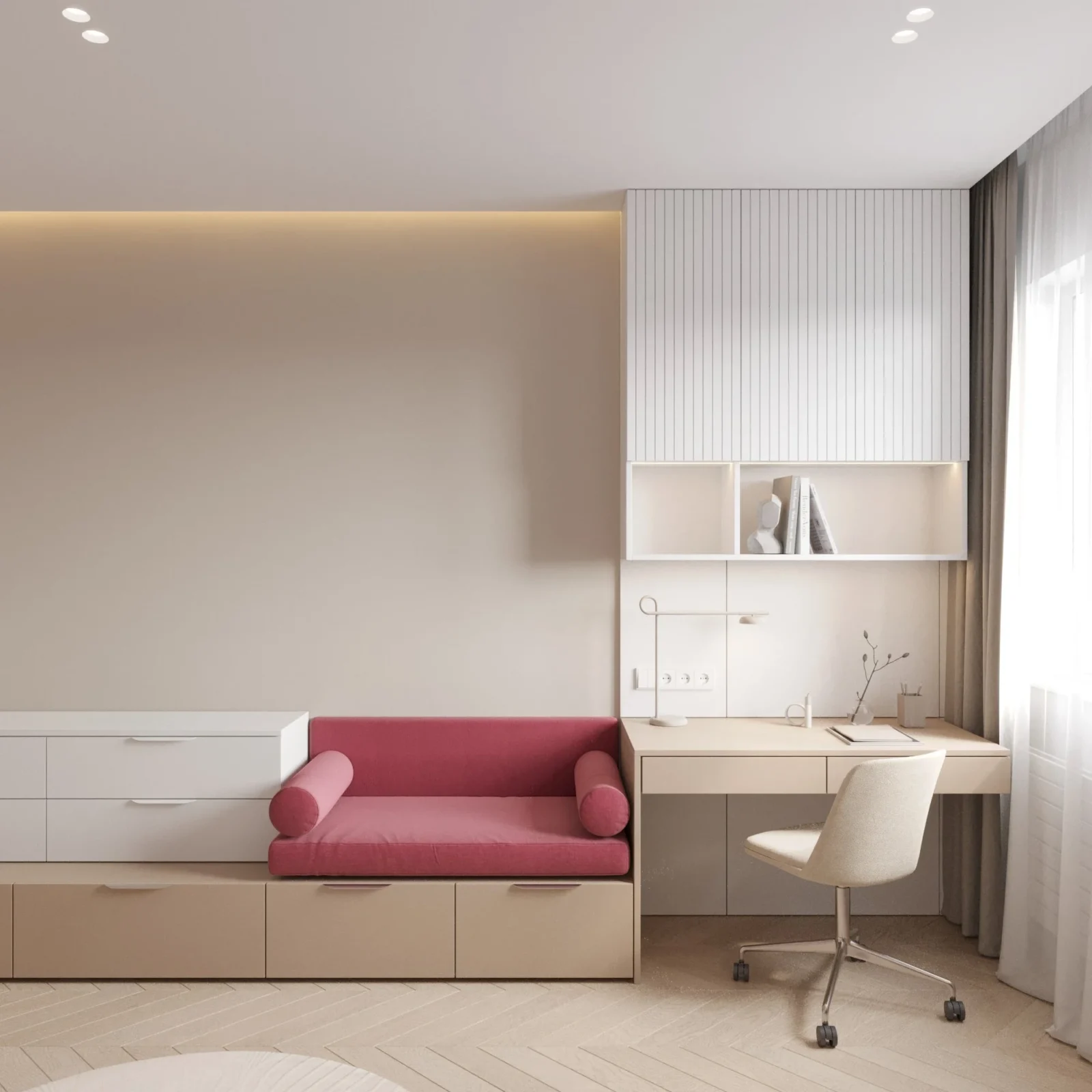
- Scandinavian and Japandi: milky white, sand, light grey, muted green; pale oak, ash, linen, wool, paper.
- Loft: grey concrete, brick, black metal, cognac leather; solid wood, metal-framed glass.
- Neoclassical and Art Deco: ivory, deep blue, emerald, burgundy; marble, brass, velvet, figured veneer.
- Mediterranean and boho: warm white, terracotta, ochre, olive; lime plaster, ceramic tiles, rattan, jute.
Timeless and fashionable styles
Some styles stay relevant for decades: contemporary, minimalist, Scandinavian and neoclassical. Others, such as boho, bold Art Deco and maximalism, come and go. If you are renovating for the long term, choose a timeless base and add fashionable elements through decor, textiles and lighting that are easy to replace.
How to combine styles
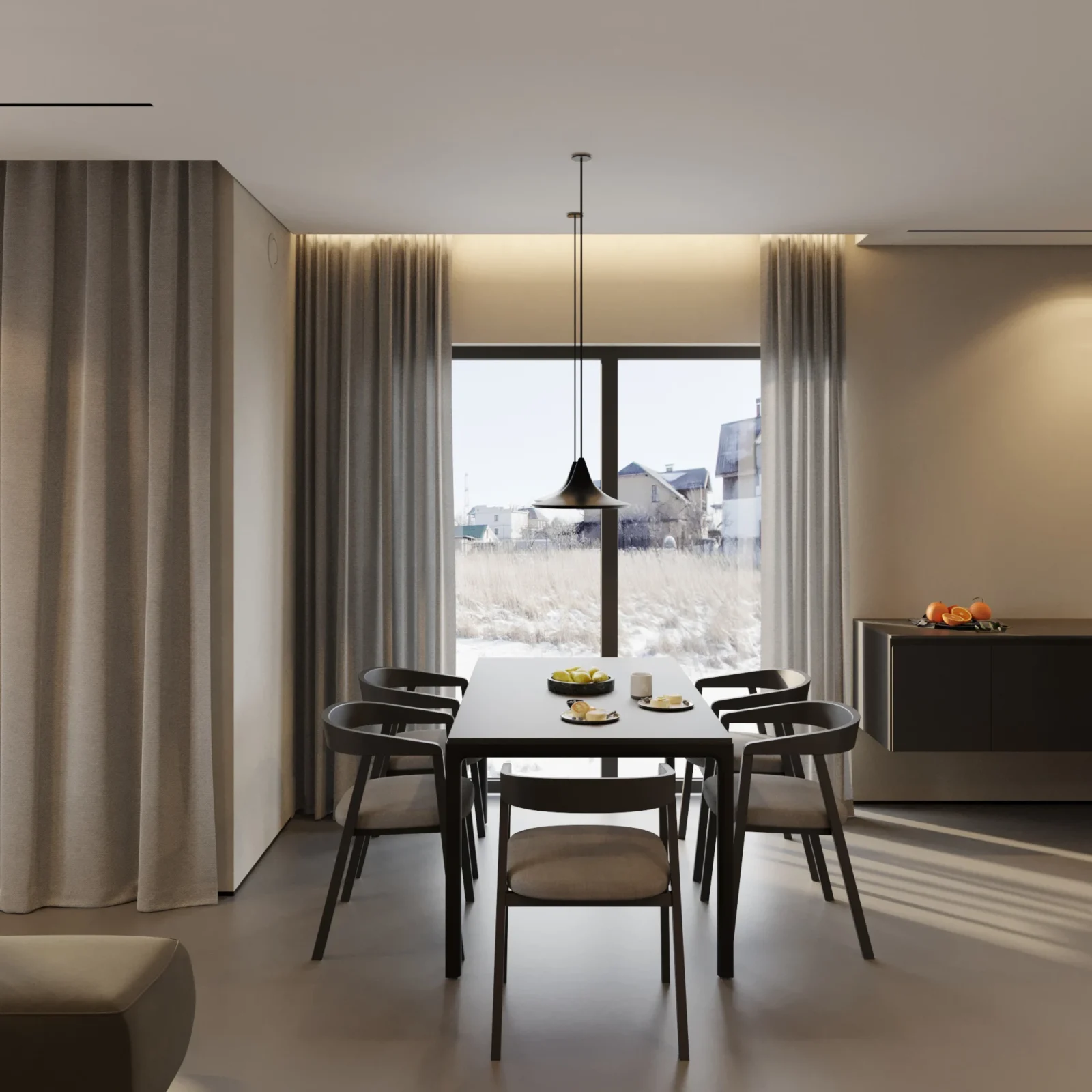
Interior design styles can be combined if they share one base — a palette or a material.
Most contemporary interiors combine two or three styles. The key is to choose a main style (roughly two thirds of the space) and add accents from another. For example, a contemporary base with neoclassical mouldings, a Scandinavian apartment with a few mid-century pieces, or minimalism with Japanese touches. A shared palette, repeated materials and well-planned lighting tie different styles together.
Style and functionality
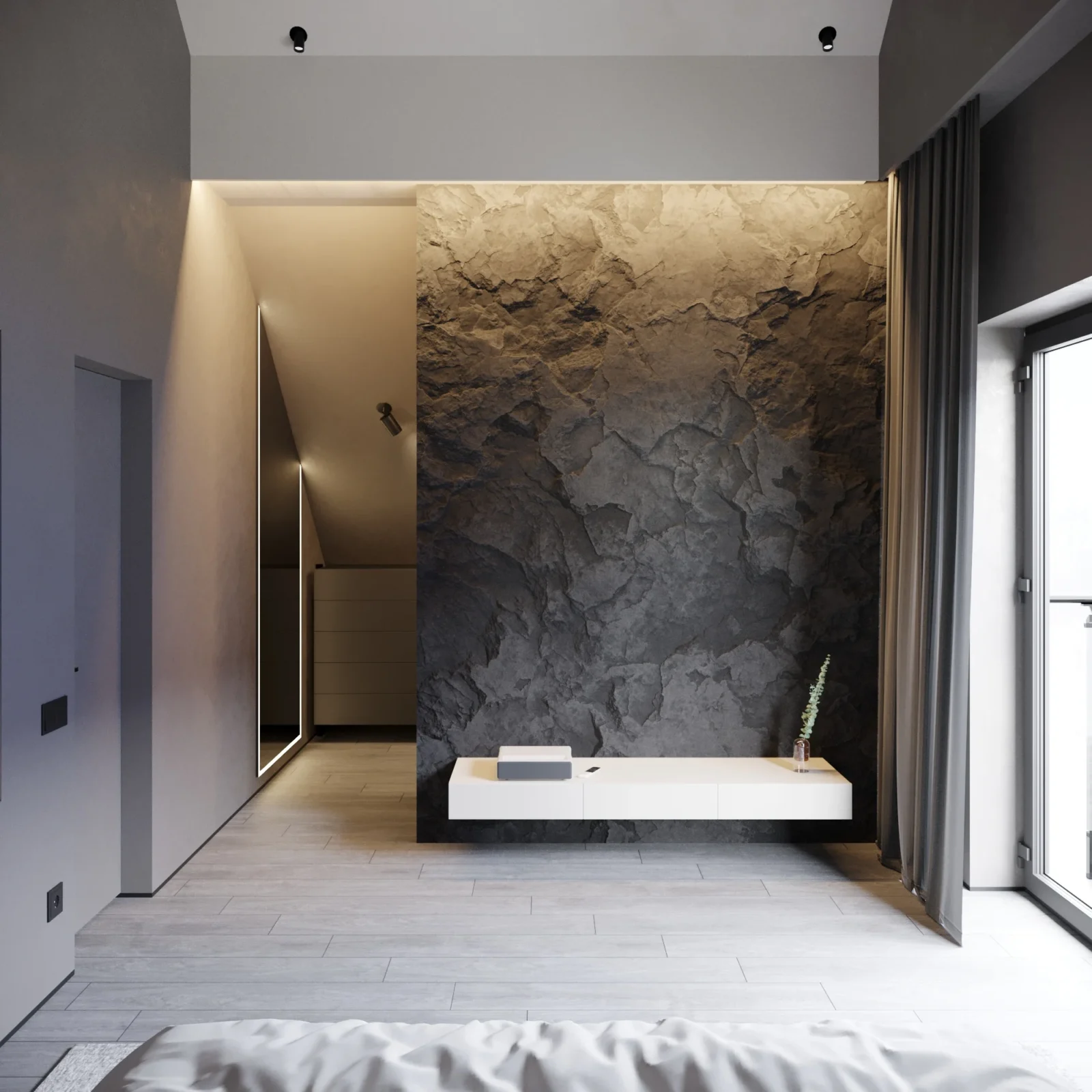
Any of the interior design styles only works when the layout is comfortable.
Style is the shell, but an interior must first of all be comfortable. Layout, storage, lighting and ergonomics matter equally in every style. That is why we start with function and space planning and only then move on to aesthetics.
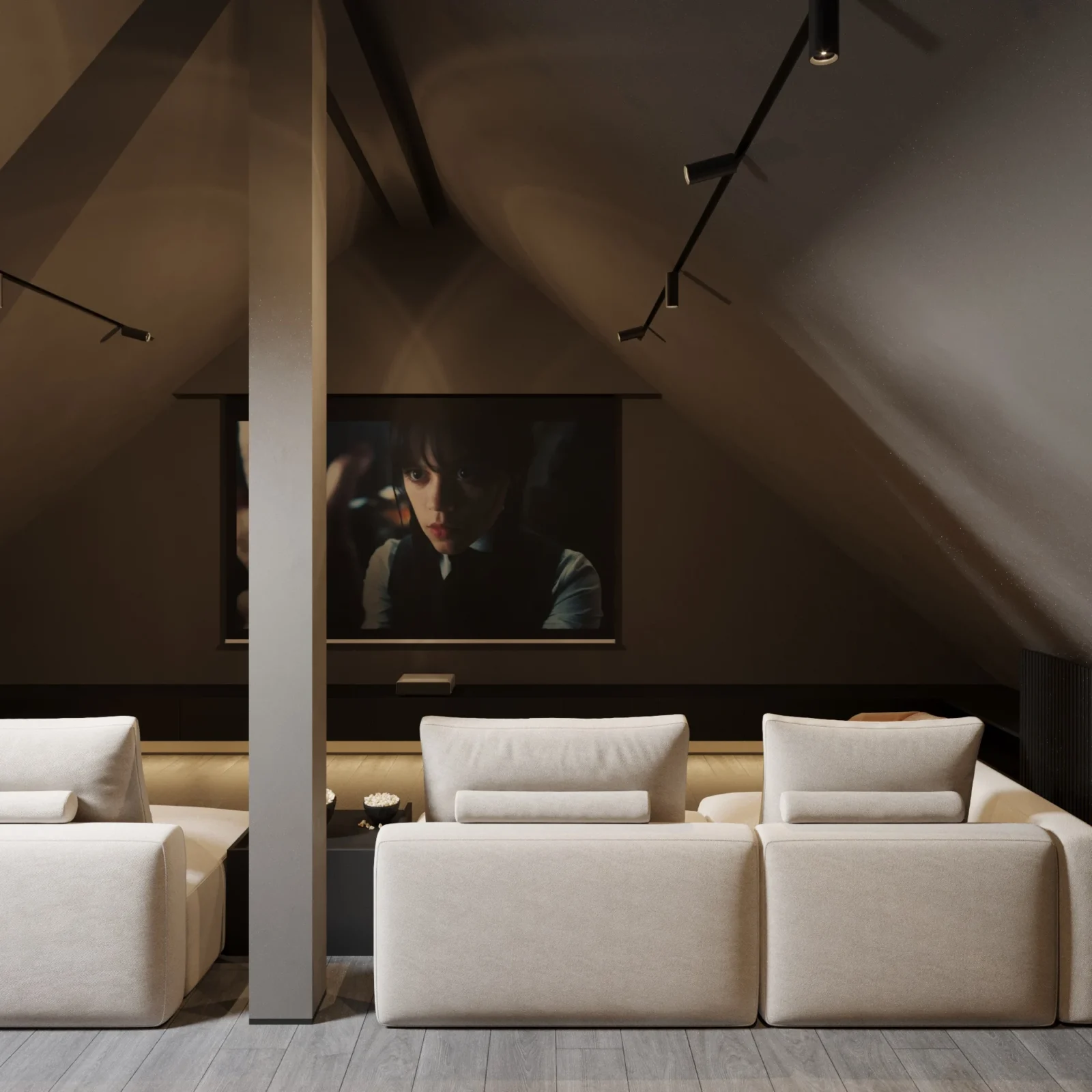
How SPACE DESIGN helps you choose a style
At the first stage we discuss your lifestyle, review references and prepare the design brief; at the concept stage we show the style in visualizations. We work in Ukraine and Europe on a design and build basis. Learn more about individual space design or book a consultation.
FAQ
Can two styles be combined in one apartment?
Yes, if they share a base — a palette, materials or forms. Scandinavian and Japanese styles, for example, meet in Japandi. Different interior design styles in neighbouring rooms work best with a common thread.
Which style is most practical for a family with children?
Practicality depends less on the style’s name than on materials and storage: hard-wearing surfaces, closed cabinets and little small decor. Modern and Scandinavian interior design styles adapt to this easily.
How do I avoid choosing the wrong style?
Collect 15–20 photos of interiors you like and look for what they share: colour, materials, amount of decor. That says more about your taste than the names of interior design styles. A designer can then turn it into a concept.
Do styles go out of date?
Trendy details change faster than core styles. Timeless approaches — classic, minimalist, modern — last for years, and trendy elements can be refreshed with textiles and decor without redoing the renovation.
How do I match a style to my budget?
Choose a style that lets you invest in the basics — layout, lighting and quality surfaces — rather than expensive decor. Minimalist and Scandinavian interiors look good even with simple materials, while classic styles need more detail.
Can the bedroom have a different style from the living room?
It can, but keep a shared palette or materials so the apartment reads as one whole while each room has its own character.
Where can I find inspiration?
Pinterest, Behance, studio portfolios and finished interiors you have seen in person. Save notes on what exactly you like — that makes interior design styles easier to translate into your own home, because many interior design styles look different in real light than in photos.
Do I have to choose one style?
No. Most interiors combine several styles; what matters is keeping the whole coherent.
Which style is the most practical?
Contemporary, Scandinavian and minimalist styles adapt easily to everyday life and are easy to update over time.
How do I avoid choosing the wrong style?
Start with references and your lifestyle rather than fashionable pictures.
Not sure which style to choose? Contact us and we will help you find yours.
Creating a place where people return.
Examples from SPACE DESIGN projects: the Lviv 19th apartment and the Zelena 269a apartment.


